



















A clear guide to how neuromodulator treatments work, who they’re for, and separating fact from myth
by Dr. Janna Bentley & team
Neuromodulator treatment is one of the most requested treatments we offer, and also one of the most misunderstood. Many patients come in with questions shaped more by assumption than fact: will it look natural, will people be able to tell, is it only for one age group or one kind of patient. As more people consider starting or restarting treatment heading into the cooler months and the busy stretch before the holidays, it’s a good time to separate what neuromodulator treatment actually does from what tends to get assumed about it.
What Neuromodulator Treatments Actually Do
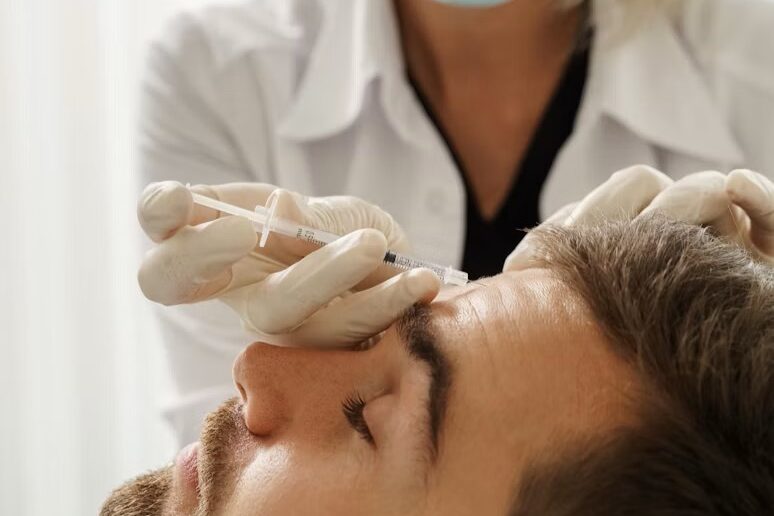
Neuromodulator treatments are designed to treat dynamic wrinkles, the lines caused by repeated facial movement such as raising the eyebrows, squinting, or frowning. Over time, these repeated expressions can leave visible lines that remain even when the face is at rest. Neuromodulators work by relaxing the muscles responsible for those expressions, allowing the skin above them to soften.
For many patients, especially those newer to injectables, this offers a subtle, controlled refresh rather than a dramatic change. When administered by a qualified professional using proper technique, the face still moves and expresses naturally, but harsh or tired-looking lines tend to soften. Patients often describe looking more rested, rather than noticeably “treated.”
Common Myths About Neuromodulator Treatments
Myth: It Looks Frozen or Overdone
This is one of the most common concerns we hear, and it usually comes from seeing an outcome that was overdone rather than the treatment itself. Our approach favours a natural result: expression stays intact, and the goal is for people to notice you look refreshed without being able to pinpoint exactly why.
Myth: Neuromodulators and Dermal Filler Are the Same Thing
These are frequently confused, but they address different concerns. Neuromodulators treat movement-related lines, while dermal filler addresses lost volume and facial structure. Many patients only need one or the other. Some benefit from combining both as part of a broader plan. Our guide on neuromodulators versus a full-face approach walks through this distinction in more detail, including how wrinkles, fine lines, and volume loss are typically approached together.
Myth: It’s Only for One Demographic
Neuromodulator treatment has become increasingly common across a much wider range of patients than it once was. We regularly see patients of different ages and genders coming in for the first time, often after a partner, friend, or family member started treatment and they noticed the results. Facial volume and structure begin changing for most people from their mid-twenties onward, and more patients are choosing to address early signs of movement-related lines as a preventative step, rather than waiting until they feel more pronounced.
Myth: It’s Purely Cosmetic
While most patients pursue neuromodulator treatment for cosmetic reasons, it also has recognized medical applications, including for chronic migraines and excessive sweating. If you’re curious about the medical side of these treatments, our article on hyperhidrosis covers how neuromodulator treatment is used for that condition specifically.
What to Expect: Timeline & Results
Results typically begin to appear within several days, with full effects visible around two to three weeks. This makes neuromodulator treatment a popular option for patients preparing for an event, or simply wanting a conservative update without downtime. Results usually last three to four months, which makes this an ongoing maintenance treatment rather than a one-time fix. Many patients plan their appointments seasonally, so it’s worth thinking about timing if you have events or gatherings coming up over the next few months.
For patients considering a hydration-focused option alongside or instead of neuromodulator treatment, an injectable hydration treatment is another option worth discussing at a consultation.
Who Neuromodulator Treatment Is For
There’s no single profile of a typical patient. Some are treating expression lines for the first time and want the most conservative, natural-looking option available. Others are maintaining results they’ve built over several years. A consultation is the best way to determine whether neuromodulator treatment alone fits your goals, or whether a combination approach involving filler or other injectables makes more sense, now or later.
Frequently Asked Questions
Will people be able to tell I’ve had treatment?
For most patients, no. The goal of a well-administered treatment is a natural, refreshed look, not a visibly “done” appearance. People often notice you look rested without being able to identify exactly what changed.
How long do results last?
Results generally last three to four months, which is why neuromodulator treatment is typically approached as an ongoing maintenance treatment rather than a single appointment.
Is neuromodulator treatment only for cosmetic purposes?
No. While most patients pursue it cosmetically, it also has recognized medical uses, including for chronic migraines and hyperhidrosis.
What’s the difference between neuromodulators and filler?
Neuromodulators treat movement-related lines by relaxing the underlying muscle. Dermal filler restores lost volume and structure. Many treatment plans use one, the other, or a combination, depending on your goals.
How do I know if I’m a good candidate?
A consultation is the most reliable way to find out. Your provider will assess your goals, your facial movement patterns, and your overall skin health before recommending a plan.
Physician-Led Neuromodulator Treatment in Kelowna
Whether you’re considering treatment for the first time or it’s simply time for your next appointment, our physician-led team is here to help you figure out what makes sense for your goals, your timeline, and your comfort level.
Call 250-860-9919 to schedule a consultation, or if you are an existing patient, book your consultation online.